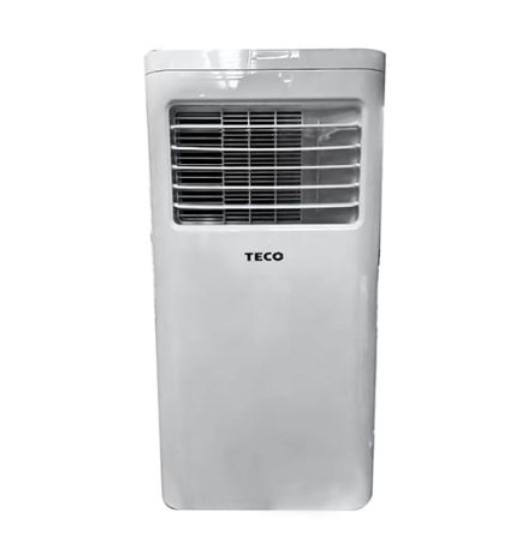
12000 Btu Marine Air Conditioner – Reliable Cooling Solution for Cruise Ships and Marine Vessels
A 12000 Btu Marine Air Conditioner is an essential cooling solution designed specifically for marine environments where performance, durability, and energy efficiency are critical. Unlike residential air conditioning systems, marine units are built to withstand harsh sea conditions, including salt-laden air, humidity, vibration, and continuous operation. Whether installed on cruise ships, cargo vessels, offshore platforms, or private yachts, this cooling system ensures a comfortable indoor climate for crew members and passengers alike.
Marine environments demand specialized HVAC systems that can operate efficiently under fluctuating temperatures and challenging conditions. A 12000 Btu capacity unit is ideal for cooling medium-sized cabins, control rooms, offices, and accommodation areas on ships. Its optimized cooling output balances power consumption with effective temperature control, making it a preferred choice for marine engineers and ship operators.
Understanding the 12000 BTU Capacity
BTU (British Thermal Unit) measures the cooling capacity of an air conditioning system. A 12000 BTU rating indicates that the unit can remove 12,000 British Thermal Units of heat per hour from a given space. In marine applications, proper sizing is crucial. Undersized units struggle to maintain comfort, while oversized systems waste energy and increase operational costs.
A 12000 Btu Marine Air Conditioner is typically suitable for spaces ranging between 400 to 600 square feet, depending on insulation, heat load, and equipment present in the area. On ships, factors such as engine heat, direct sunlight exposure, and occupancy levels also influence cooling requirements. Therefore, selecting the correct capacity ensures consistent performance and long-term efficiency.
Designed Specifically for Marine Conditions
One of the most significant advantages of a marine air conditioner over a standard residential unit is its corrosion-resistant construction. Marine air conditioning systems are engineered with high-quality materials that can withstand salty air and moisture exposure. Components such as evaporator coils, condensers, and external casings are often coated with anti-corrosion treatments to enhance durability.
Additionally, marine AC units are designed to operate smoothly despite constant vibration and movement. Ships experience continuous motion, which can affect mechanical systems. A properly engineered 12000 Btu Marine Air Conditioner features robust mounting systems and vibration-resistant components to ensure stable and reliable operation at sea.
Energy Efficiency and Power Compatibility
Energy efficiency is a critical consideration in marine operations. Ships rely on onboard generators, and power management plays a crucial role in overall operational efficiency. A 12000 Btu Marine Air Conditioner is typically designed for optimized power consumption, ensuring effective cooling without overloading the vessel’s electrical system.
Many marine units operate on 220V power supply, which is common on large vessels and cruise ships. Stable voltage compatibility ensures consistent performance and reduces the risk of electrical fluctuations. Energy-efficient compressors and advanced cooling technology help maintain ideal temperatures while minimizing energy usage, contributing to lower operational costs.
Key Features of a 12000 Btu Marine Air Conditioner
When evaluating marine air conditioning systems, several essential features distinguish a high-quality unit:
1. High-Performance Compressor
The compressor is the heart of any air conditioning system. Marine-grade compressors are designed for continuous operation and heavy-duty performance. They ensure rapid cooling and stable temperature maintenance, even in high-heat marine environments.
2. Corrosion-Resistant Coils
Salt air is highly corrosive. Marine AC units incorporate specially coated condenser and evaporator coils to prevent rust and degradation, significantly extending the system’s lifespan.
3. Compact and Space-Saving Design
Space on ships is limited. A 12000 Btu Marine Air Conditioner typically features a compact design that allows easy installation in cabins and technical rooms without occupying excessive space.
4. Low Noise Operation
Comfort on board depends not only on temperature but also on noise levels. Marine air conditioners are engineered for quiet performance, ensuring minimal disturbance for passengers and crew.
5. Digital Controls and Temperature Precision
Modern marine AC systems often include digital thermostats and advanced control panels. These allow precise temperature settings and efficient climate management within enclosed marine spaces.
Applications on Cruise Ships and Marine Vessels
A 12000 Btu Marine Air Conditioner is commonly installed in various areas across different types of vessels:
-
Passenger cabins on cruise ships
-
Crew accommodation rooms
-
Control rooms and navigation areas
-
Marine offices and meeting rooms
-
Onboard clinics and medical facilities
-
Luxury yacht cabins
In cruise ships, maintaining passenger comfort is a top priority. A reliable cooling system enhances the overall experience by ensuring a pleasant indoor climate regardless of external weather conditions.
Installation Considerations
Proper installation is essential to maximize the efficiency and lifespan of a marine air conditioning unit. Marine installations require professional expertise due to limited space, electrical configurations, and safety standards.
Key installation factors include:
-
Correct placement for optimal airflow
-
Secure mounting to reduce vibration
-
Proper drainage system for condensate water
-
Adequate ventilation for condenser units
-
Compliance with marine safety regulations
Incorrect installation can lead to reduced cooling efficiency, increased energy consumption, and potential system failures. Therefore, marine HVAC professionals typically handle the setup process to ensure reliability and compliance.
Maintenance and Longevity
Routine maintenance plays a vital role in ensuring long-term performance of a 12000 Btu Marine Air Conditioner. Marine environments accelerate wear and tear due to humidity and salt exposure, making regular inspection crucial.
Recommended maintenance practices include:
-
Cleaning air filters regularly
-
Inspecting coils for corrosion
-
Checking refrigerant levels
-
Ensuring electrical connections are secure
-
Monitoring compressor performance
With proper maintenance, a high-quality marine air conditioner can provide years of reliable service. Preventive maintenance not only extends the lifespan of the unit but also reduces unexpected breakdowns and repair costs.
Advantages Over Residential Air Conditioners
Using a residential AC unit in a marine setting is not advisable. Marine air conditioners are specifically designed to meet the demands of life at sea. Key advantages include:
-
Enhanced corrosion resistance
-
Better vibration tolerance
-
Marine-grade electrical components
-
Compact and robust design
-
Higher durability under continuous operation
These specialized features make a 12000 Btu Marine Air Conditioner a safer and more dependable choice for ships and offshore facilities.
Environmental Considerations
Modern marine air conditioning systems are developed with environmentally friendly refrigerants that reduce environmental impact. Efficient cooling systems help lower overall fuel consumption on ships by optimizing power usage.
Energy-efficient systems also contribute to sustainability goals within the maritime industry. As regulations become stricter, marine operators increasingly prioritize environmentally responsible HVAC solutions.
Why Choose a 12000 BTU Capacity for Marine Use?
The 12000 BTU capacity strikes a balance between cooling power and efficiency. It is neither too large nor too small for medium-sized marine spaces. This makes it an economical and practical choice for many vessel applications.
Benefits of selecting this capacity include:
-
Adequate cooling for cabins and offices
-
Lower energy consumption compared to higher BTU units
-
Reduced installation complexity
-
Consistent temperature control
-
Cost-effective solution for ship operators
By choosing the right capacity, marine operators can maintain optimal comfort levels without excessive energy expenditure.
Enhancing Onboard Comfort and Productivity
Temperature control significantly affects crew performance and passenger satisfaction. High temperatures can lead to discomfort, fatigue, and reduced efficiency. A 12000 Btu Marine Air Conditioner ensures a stable and comfortable environment that supports productivity and well-being onboard.
For cruise ships, maintaining ideal cabin temperatures enhances the guest experience. Comfortable passengers are more likely to enjoy their journey, which contributes to positive reviews and repeat business.
Conclusion
A 12000 Btu Marine Air Conditioner is a reliable, efficient, and durable cooling solution tailored specifically for marine environments. Its corrosion-resistant construction, optimized energy consumption, and compact design make it ideal for cruise ships, cargo vessels, and yachts. Designed to withstand the demanding conditions at sea, this air conditioning system ensures consistent cooling performance and long-term operational efficiency.
By selecting a properly engineered marine air conditioner with the right capacity, ship operators can achieve superior climate control, enhance onboard comfort, and maintain dependable performance even in challenging maritime conditions. Whether for passenger cabins, crew quarters, or technical rooms, a 12000 BTU marine cooling system remains a practical and essential investment for modern vessels.